February 27, 2026
Drains are an essential part of every home, yet they often go unnoticed until something goes wrong. Small mistakes, like ignoring maintenance or misusing your plumbing system, can lead to clogs, leaks, foul odors, and costly repairs. Staying proactive with drain cleaning, proper use, and professional guidance keeps your plumbing running smoothly and efficiently. This article explores the seven most common drain mistakes, providing practical advice to prevent them. By understanding these pitfalls, you can protect your home, reduce unexpected expenses, and maintain a healthier environment.
1. Ignoring the Importance of Regular Drain Cleaning
Many homeowners fail to prioritize drain cleaning, seeing it as optional rather than essential. Over time, debris, hair, grease, soap scum, and other buildup accumulate in pipes, restricting water flow and creating blockages. Even minor obstructions can increase pressure in the system, causing leaks or pipe bursts if left unaddressed.
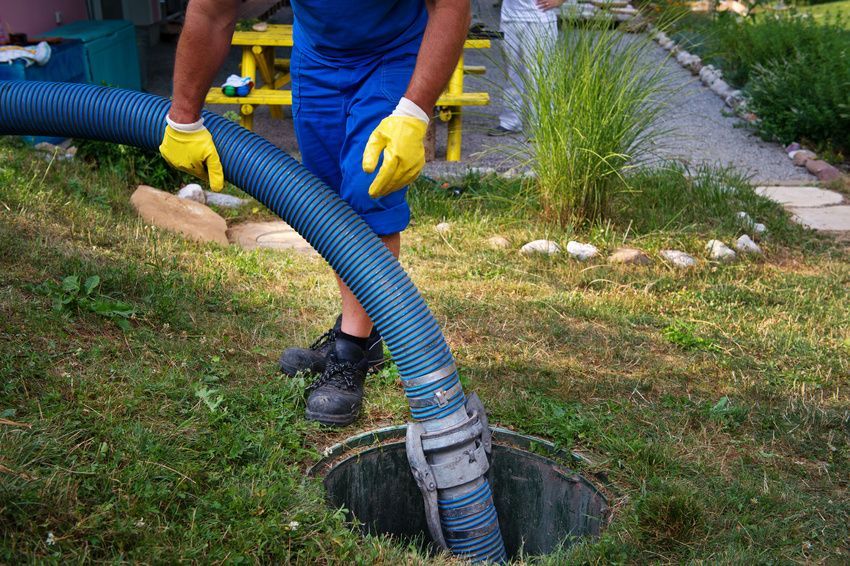
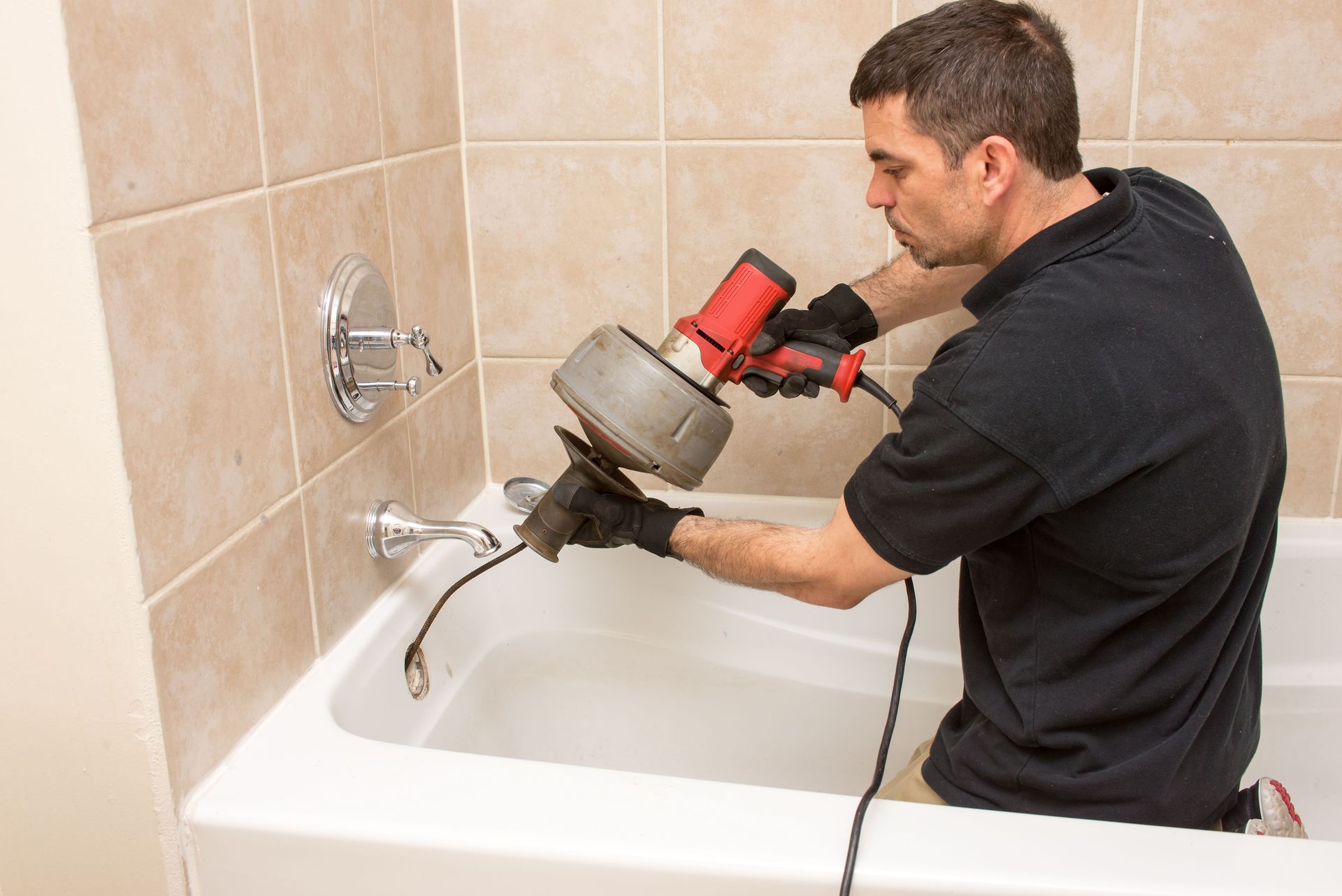
Professional drain cleaning is more thorough than standard at-home methods. According to Yahoo Finance, the sewer and drain cleaning services market size is projected to reach US$ 8,415.25 million by 2031, reflecting growing demand for expert maintenance. Professionals use advanced tools such as hydro-jetting and motorized augers to clear debris from areas unreachable by household techniques.
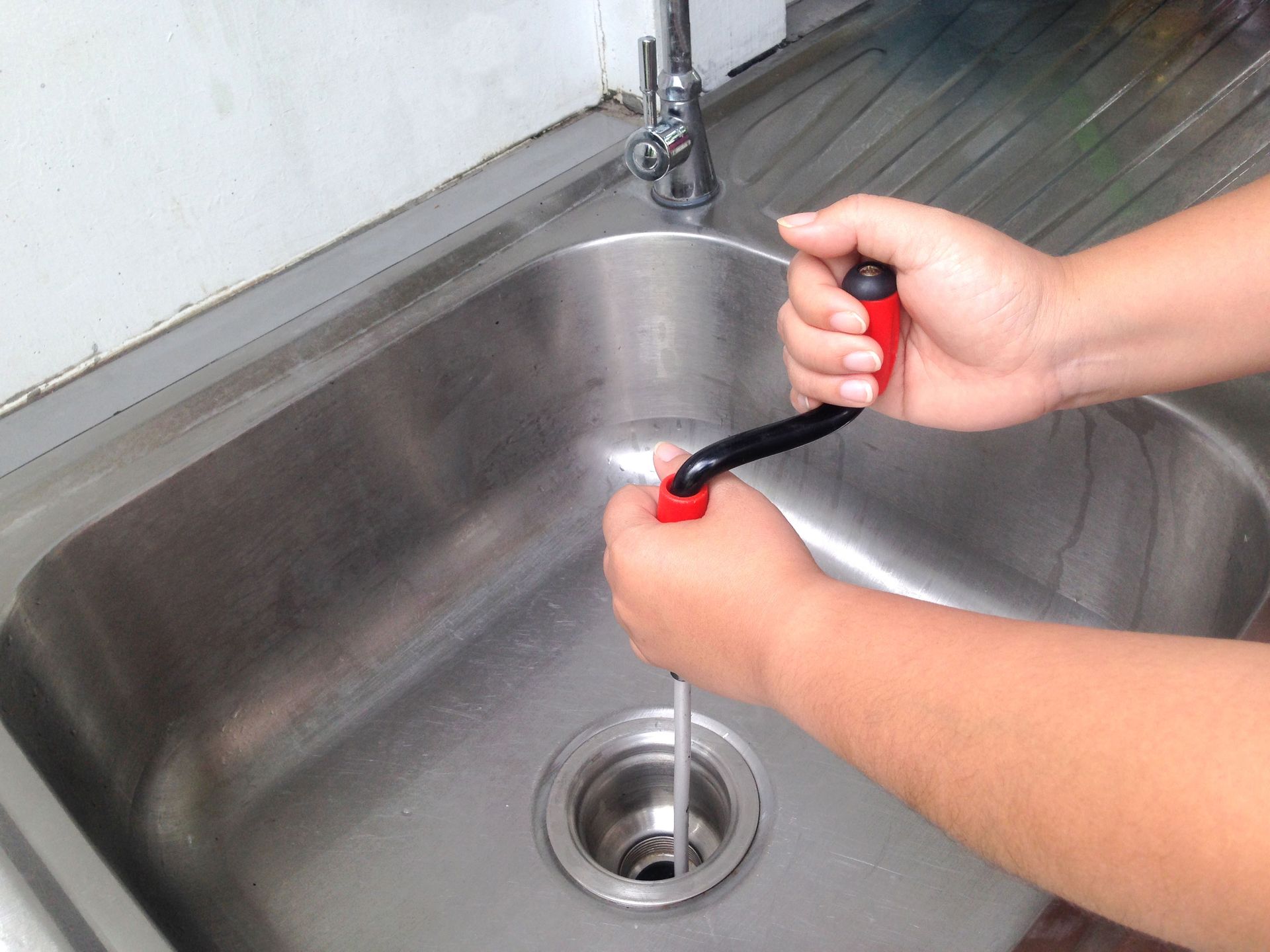
Scheduling annual or bi-annual professional cleaning prevents serious blockages, extends the lifespan of pipes, and reduces the risk of emergency repairs. Simple at-home measures, like using strainers in sinks and avoiding harsh chemicals, complement professional services. Combining these strategies ensures that drains remain clear, functional, and hygienic, reducing stress and safeguarding your plumbing investment.
Regular drain cleaning also helps prevent bacterial growth, which can thrive in stagnant or partially blocked water. Staying proactive maintains both the performance and safety of your plumbing system. Ignoring these tasks may seem harmless initially, but the cumulative effect can be costly and disruptive.
2. Failing to Use Drains Properly
How you use your drains directly affects their longevity and performance. Many blockages result from improper habits, such as pouring grease, coffee grounds, or food scraps down kitchen sinks. Grease solidifies as it cools, clinging to pipe walls and forming stubborn clogs. Flushing non-degradable items—wipes, paper towels, and sanitary products—can also disrupt your plumbing, even if they’re labeled as “flushable.”
Garbage disposals, while convenient, can be damaged by overloading or feeding them inappropriate items like bones or fibrous vegetables. Gradual feeding, running cold water, and occasional cleaning help maintain their function. Educating household members on proper usage is crucial. Scraping food into trash bins, using strainers, and avoiding chemical overuse are simple yet effective practices.
Professional drain cleaning complements these habits by removing hidden buildup in pipes. Combining careful use with routine maintenance reduces emergency plumbing issues, extends the life of your system, and ensures smoother daily operation. By treating your drains responsibly, you protect both your home and your budget.
3. Neglecting to Replace Worn or Damaged Parts
Plumbing systems consist of components that naturally degrade over time, including washers, seals, valves, and connectors. Failing to replace these parts can decrease efficiency, cause leaks, and compromise the entire system. Even minor leaks, if left untreated, may result in structural damage and mold growth.
The wrong choice of cleaning agents can further damage pipes. Many household products are too harsh, causing corrosion that weakens your plumbing system. Using cleaners specifically designed for your pipe materials prevents harm and works well alongside professional drain cleaning.
Temporary solutions, such as tape or chemical sealants, may offer short-term relief but rarely address the underlying problem. Investing in permanent repairs—replacing worn components and scheduling professional drain cleaning—ensures long-term functionality. Proactive maintenance prevents minor issues from turning into expensive emergencies and helps your plumbing system remain reliable.
4. Overlooking Environmental and External Factors
External conditions can severely impact your drains, often without immediate warning. Tree roots can infiltrate sewer lines in search of water, causing cracks and blockages. Soil shifts from construction, natural settling, or erosion may misalign pipes, leading to leaks or bursts. Extreme temperatures—freezing in winter or intense heat in summer—can also stress plumbing connections, creating opportunities for failure.
Regular inspections, preventative measures, and professional drain cleaning reduce the risk of environmental damage. For example, hydro-jetting can remove root intrusions, while insulation and pipe realignment protect against soil shifts and temperature fluctuations. Staying attentive to these external factors ensures your plumbing remains functional, reduces repair costs, and safeguards your property.
Ignoring environmental risks allows small problems to grow into major issues. Proactive steps protect both your home and your plumbing investment, giving peace of mind while avoiding costly disruptions. Maintaining awareness of tree placement, soil movement, and seasonal changes is a simple yet powerful way to prevent drainage disasters.
5. Skipping Professional Consultation
Many homeowners underestimate the value of professional consultation, delaying service or opting for low-quality providers. This often leads to repeated problems and higher long-term expenses. Expert evaluation identifies issues early, recommends proper solutions, and ensures plumbing operates efficiently.
Professional drain cleaning is a key part of this process, addressing both visible blockages and hidden buildup. Experts can detect minor concerns before they escalate, preventing costly emergencies. Establishing a relationship with a trusted plumber ensures prompt response when issues arise and consistent, reliable maintenance for your system.
Timely consultation also saves money and stress, as it reduces the need for repeated repairs and emergency interventions. Engaging professionals for regular inspections and drain cleaning guarantees that your plumbing remains safe, efficient, and durable.
6. Ignoring Health and Safety Risks
Blocked or poorly maintained drains create ideal conditions for mold, mildew, bacteria, and pests. Stagnant water and organic buildup can produce persistent foul odors, reduce indoor air quality, and pose health risks to household members. Children, seniors, and those with allergies or respiratory issues are particularly vulnerable. In addition, these conditions can attract insects, worsening hygiene problems and creating further complications for the home environment.
Routine inspections and professional drain cleaning are essential for preventing these hazards. Removing buildup and addressing blockages promptly keeps water flowing efficiently, protects your family’s health, and reduces the likelihood of expensive emergency repairs. Regular professional care also helps maintain the structural integrity of your plumbing system. By prioritizing both cleanliness and efficiency, homeowners can enjoy a safer, healthier, and more comfortable living space.
7. Maintaining a Preventative Drain Care Routine
Preventative maintenance is the most effective strategy for long-term plumbing health. This includes scheduling regular professional cleaning, monitoring drains for early warning signs, and using the system properly. Attention to worn components, environmental factors, and proper waste disposal helps prevent costly problems before they occur.
Combining professional services with at-home practices—like avoiding grease, using strainers, and properly disposing of waste—creates a comprehensive approach to drain care. Proactive monitoring, timely repairs, and regular cleaning extend the life of your plumbing system. Ultimately, consistent attention to your drains protects your home, reduces emergencies, and improves comfort and health for your family.
Understanding common drain mistakes and addressing them proactively can save homeowners significant money, time, and stress. Regular cleaning, proper use, timely replacement of worn parts, attention to environmental factors, and professional consultation are essential strategies for maintaining a healthy plumbing system. Preventative care ensures your drains remain clear, reduces health risks, and avoids emergency repairs. For expert drain cleaning and reliable plumbing service, trust A & J Drain Service LLC to keep your drains flowing smoothly and your home protected.